
Building the Yonder experience, one project at a time.
October has been a blur. Yonder has been moving at full speed, bringing the atmosphere of the brand to life ahead of its December showcase. Between hand-making a custom rug, designing and building a trade show booth from scratch, receiving and testing apparel and equipment samples, and coordinating with overseas vendors to keep production on schedule, there's been no shortage of things to figure out.
A lot of it has been a DIY operation. Part necessity, part curiosity, and part stubbornness to see an idea through without waiting around for someone else to make it happen.
The rug seemed like a good place to start.
Armed with a quick YouTube tutorial, an Amazon shopping cart, and a trip to the hardware store, I had everything I needed to make a tufted rug. Well, almost everything. Tufting is essentially using a hand-held sewing gun that feeds yarn through a woven canvas, cutting and stitching it into tightly packed loops that eventually form a plush surface. Once the frame was built, the usable canvas measured six feet tall by eight feet wide, giving me plenty of room to project the Yonder logo onto it. I wanted something classic and neutral, so I kept the design simple: a two-tone combination of black and white yarn.
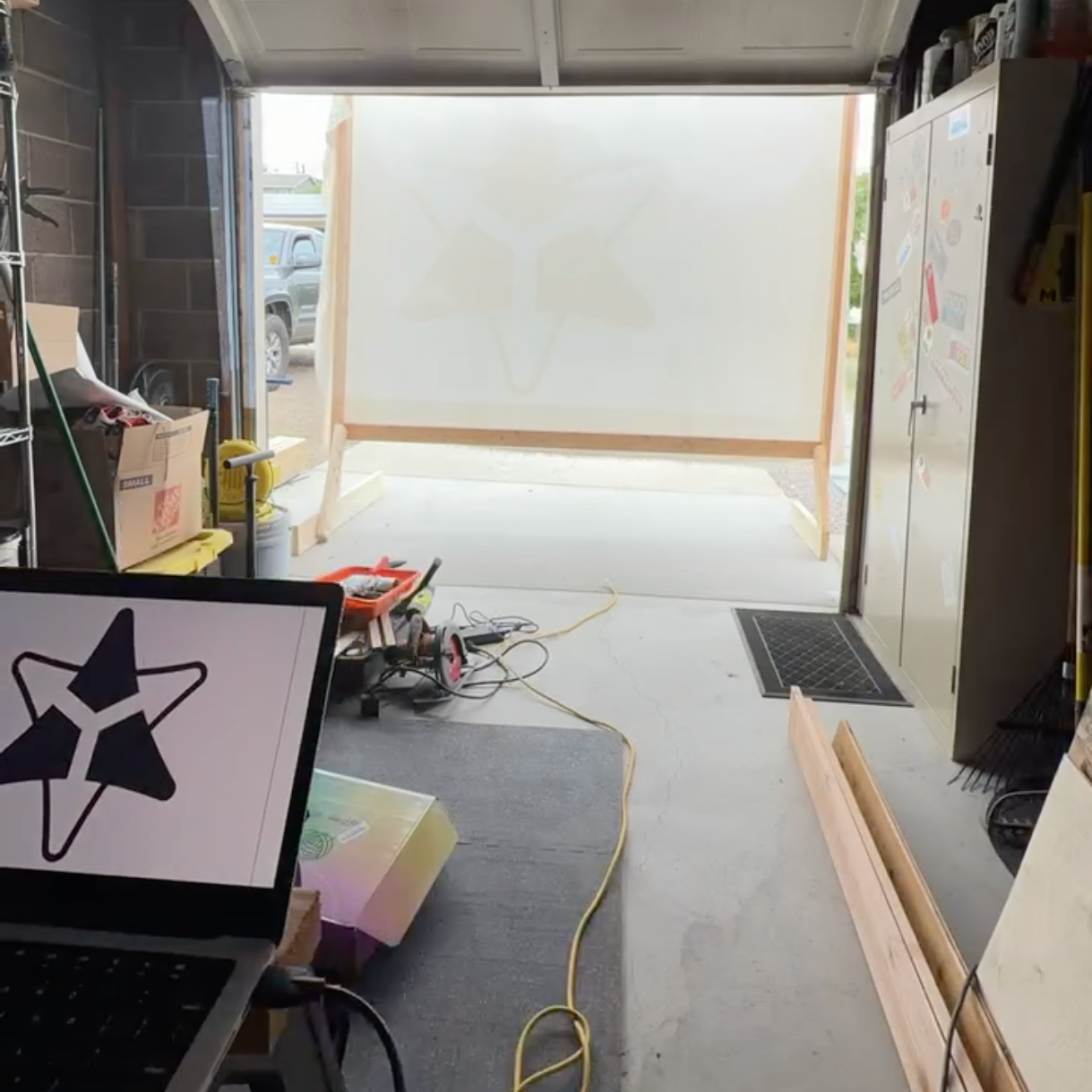
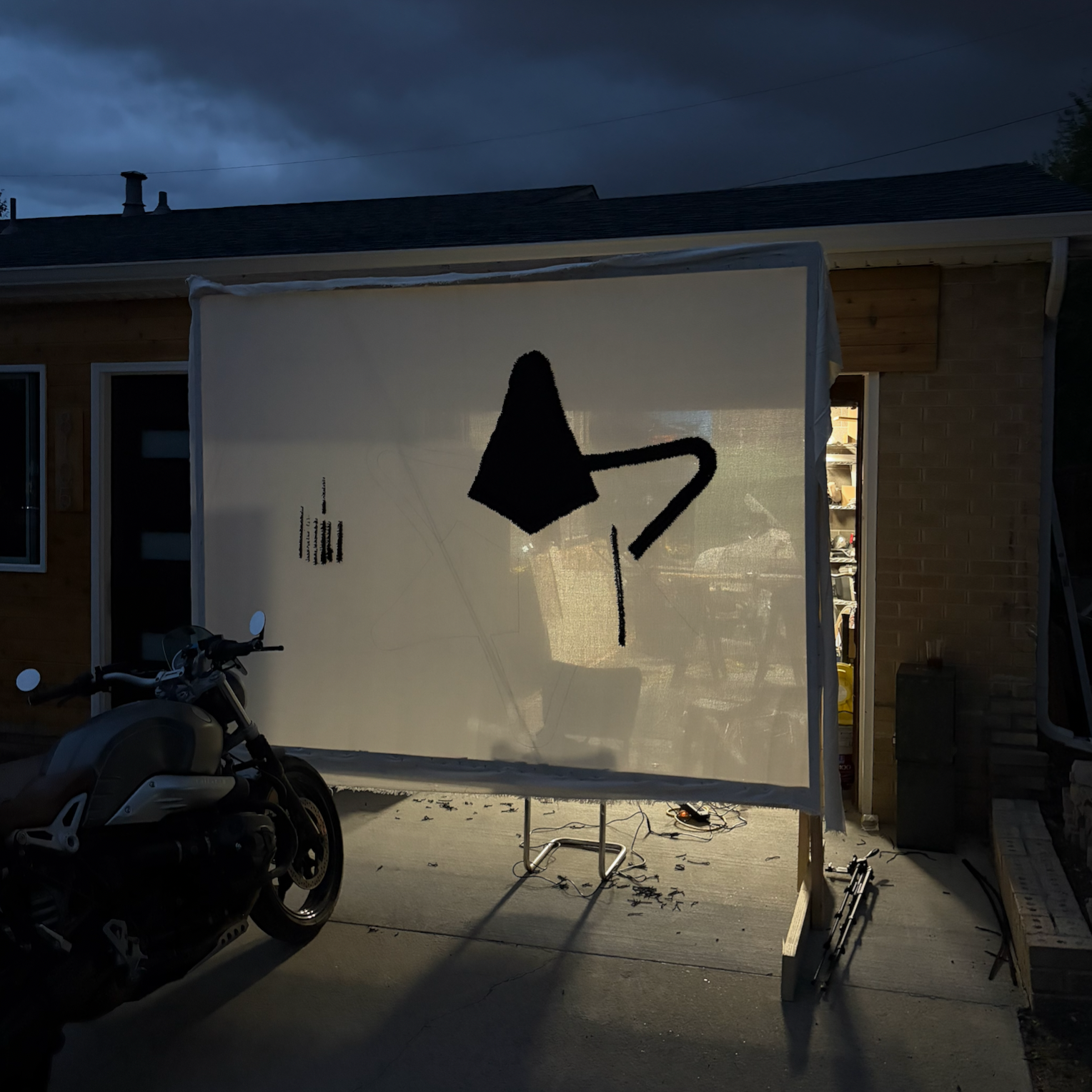
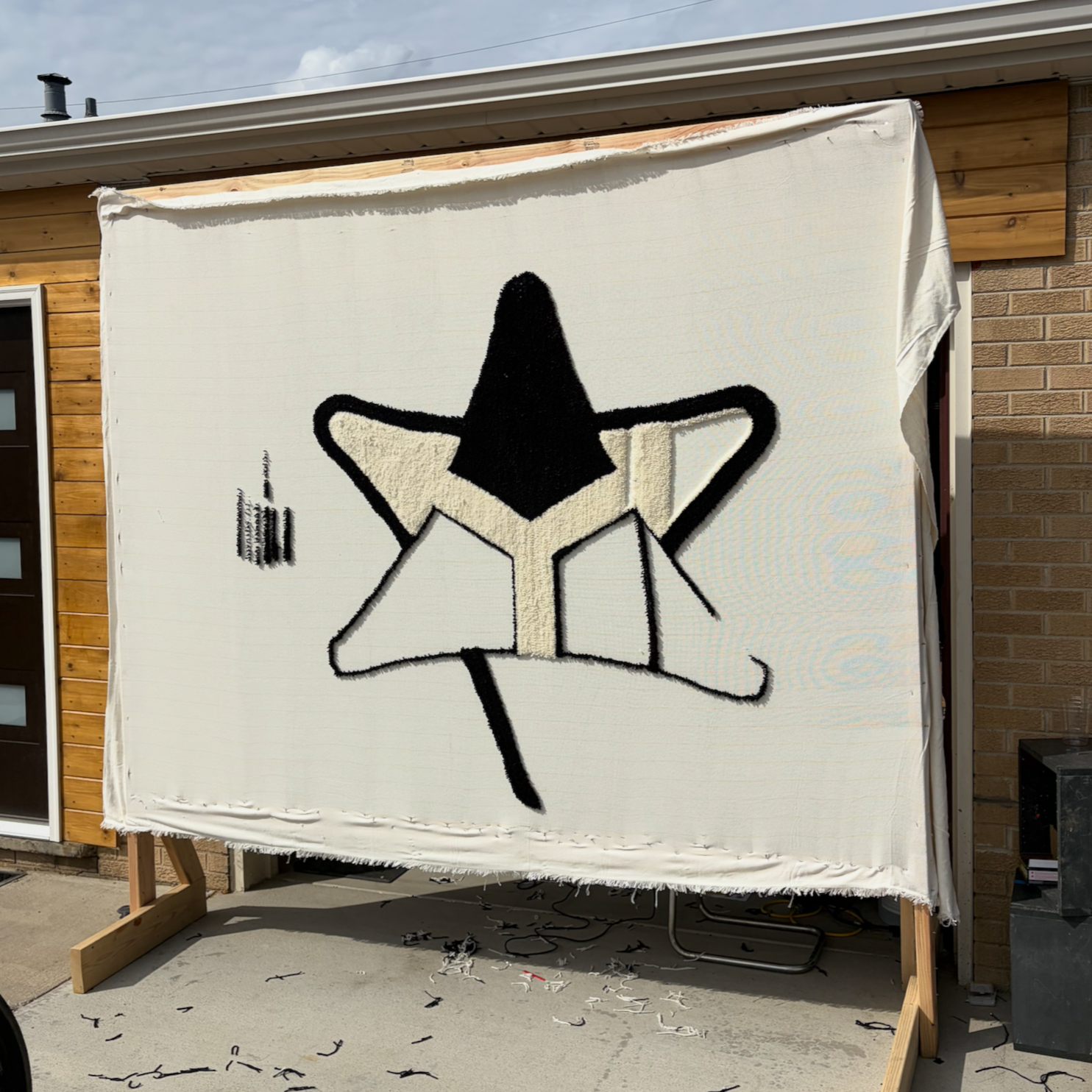
Set up outside the garage, I spent the better part of two days learning the ropes. Pressure, timing, yarn tension, gun speed, and technique all played a role. Every few minutes seemed to bring another little lesson in how to work more efficiently. It was messy, loud, and surprisingly time-consuming. Two full days, from 7 a.m. until 10 p.m., to be exact.
Yarn was everywhere. There were plenty of moments when I had to step back, look at the opposite side of the canvas, and admire what was taking shape. Seeing the logo emerge with such a professional-looking finish was enough to keep the momentum going.
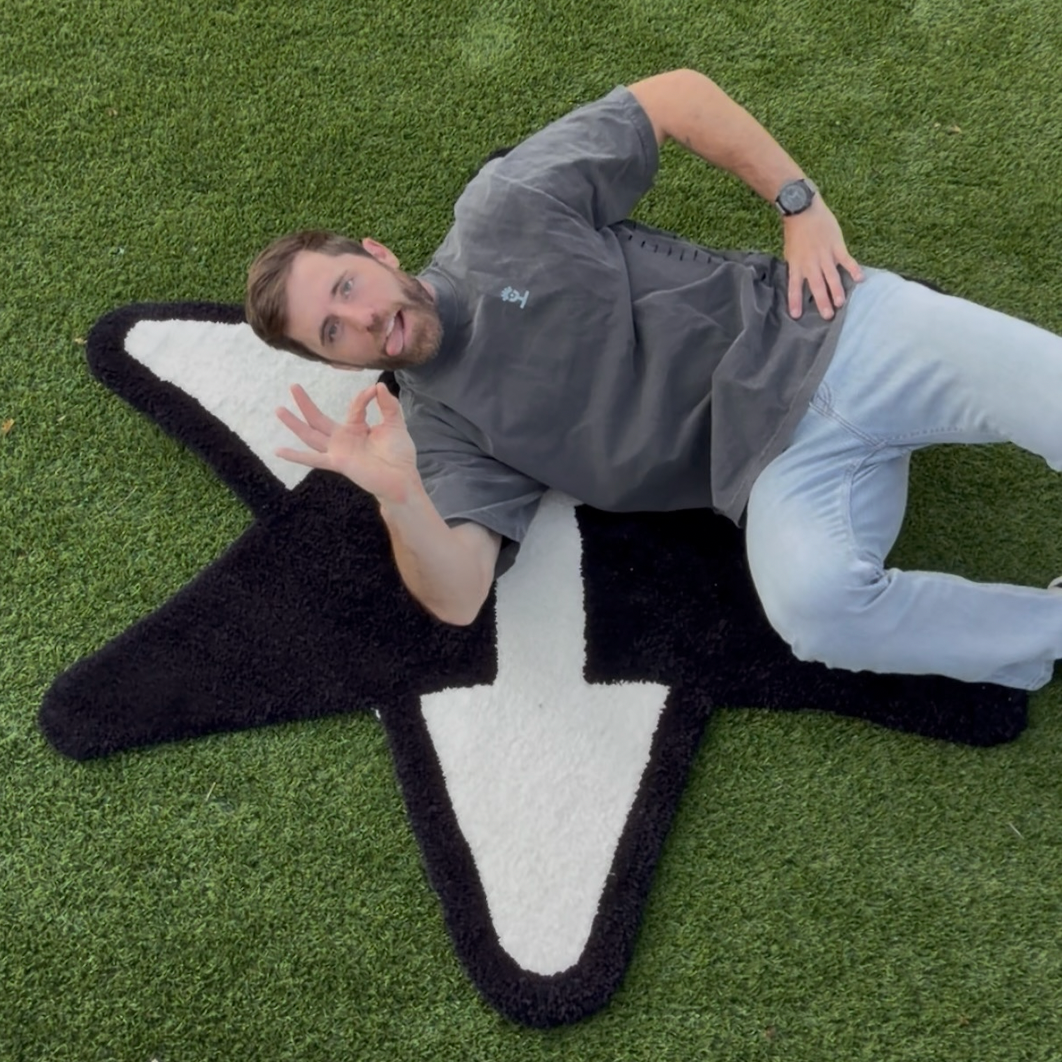
Once the tufting was finished, the rug was cut from the frame, vacuumed to remove the loose fibers, and cleaned up with an electric clipper to even out the surface. What started as a YouTube rabbit hole and a pile of raw materials had turned into a six-by-eight-foot Yonder rug, destined for the center of the trade show booth.
Building a place to call our own.
The booth was another project entirely.
I started by collecting reference images of mountain huts, remote base camps, and makeshift shelters assembled from whatever materials were available. I was drawn to spaces that felt lived in rather than designed: scrap wood, collected objects, forgotten trail memorabilia, and little trinkets left behind by previous visitors. Places that tell stories without needing to explain themselves.
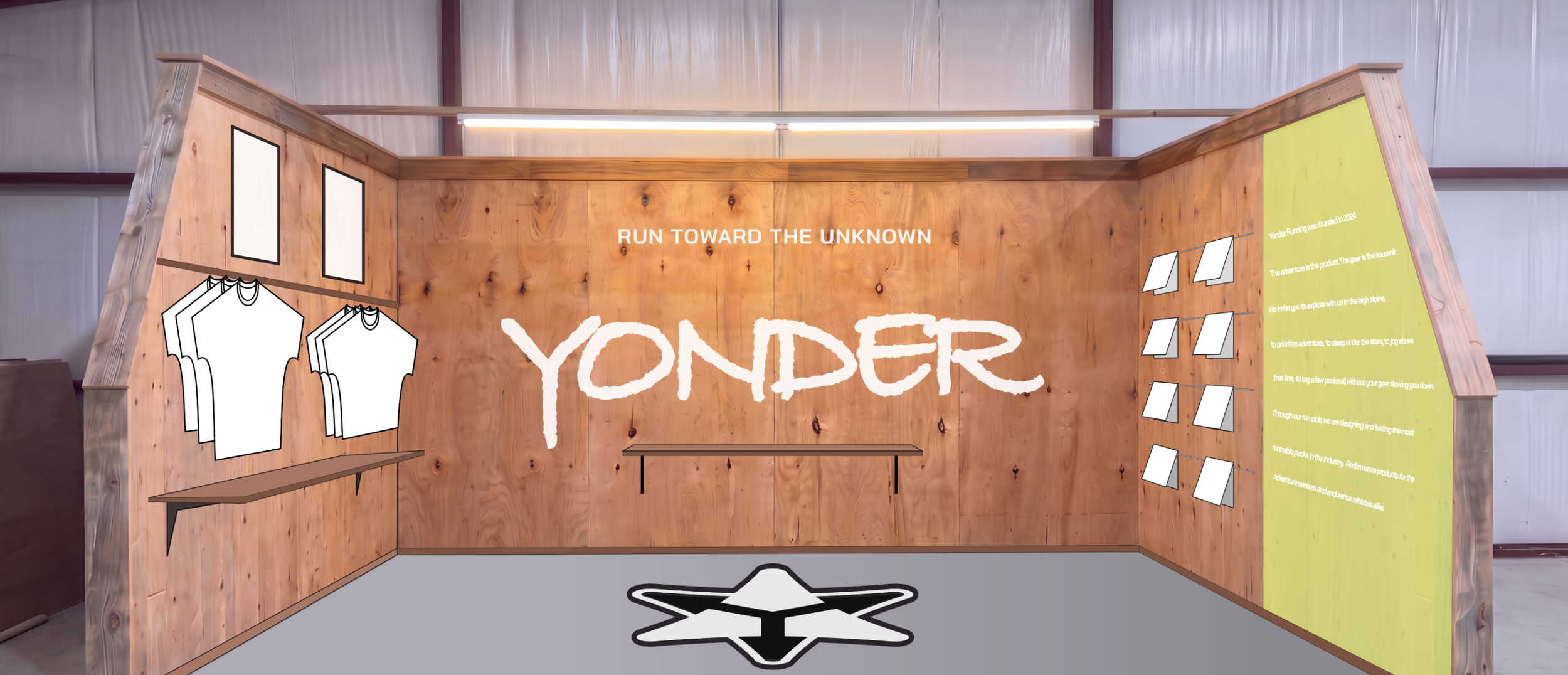
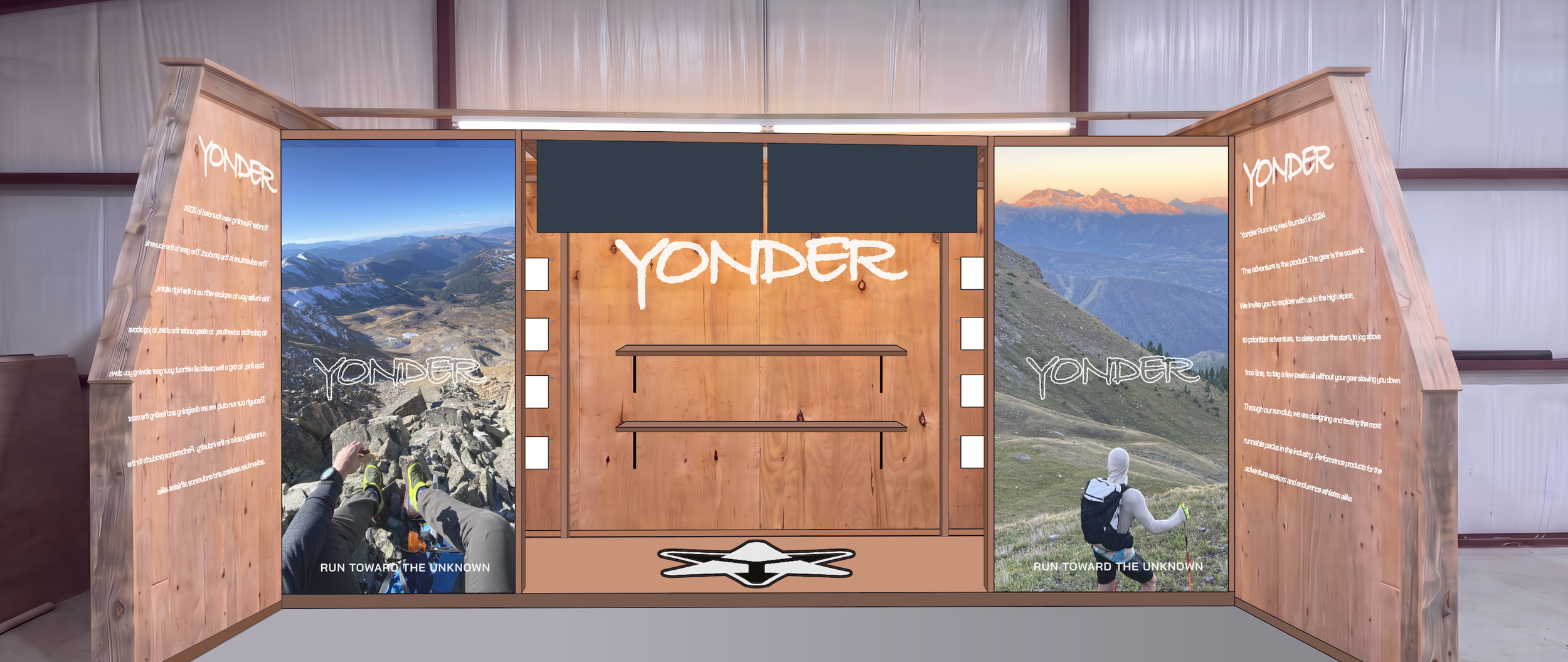
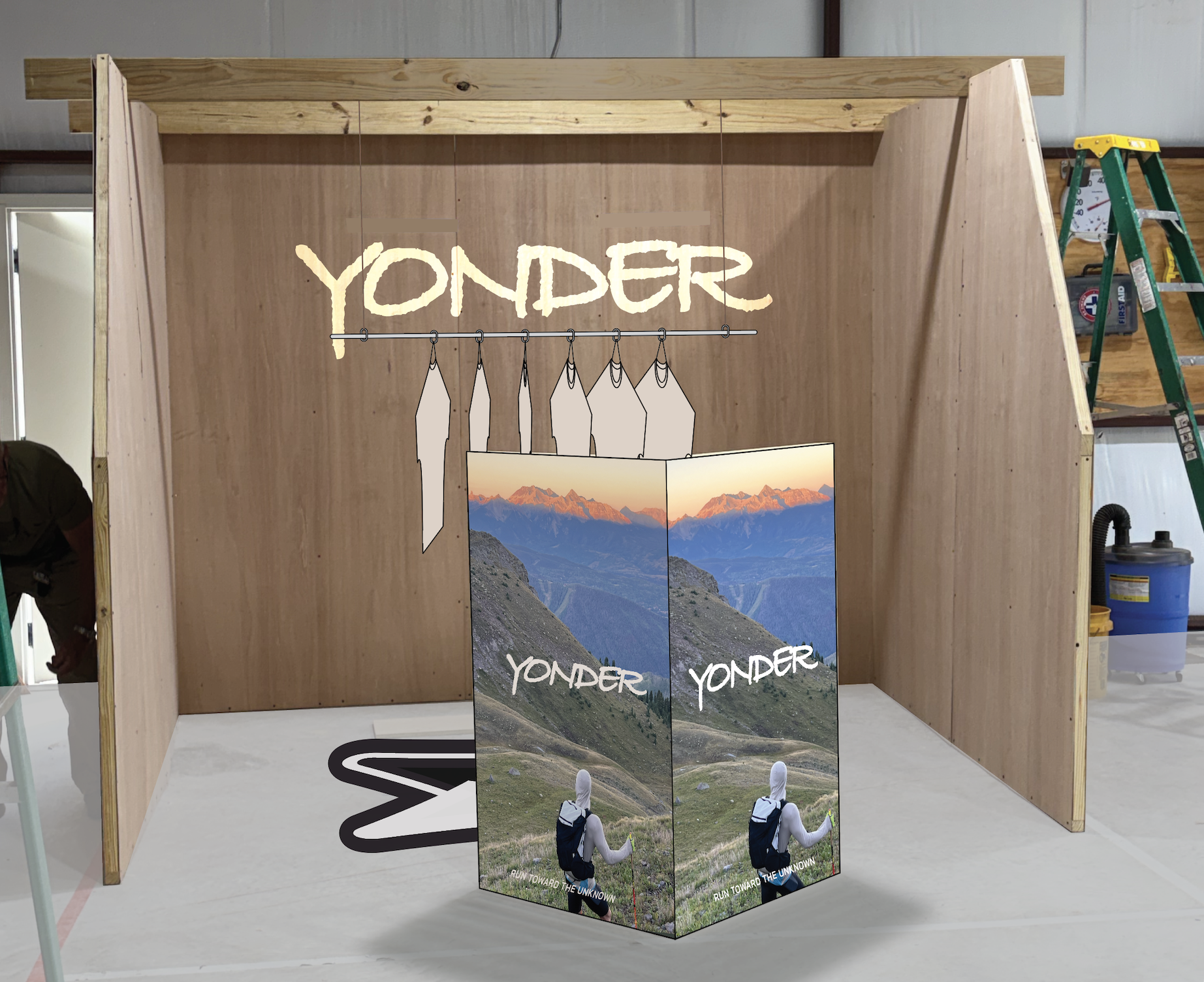
With roughly $300 in raw materials, I set out to build a bespoke 10-by-10-foot structure. I had a rendered concept to work from, but the reality of building something is that a drawing can only take you so far. It wasn't until I could physically stand inside the space, move things around, and experience the layout that I began to recognize the shortcomings of the original design.
So, naturally, things changed.
I adjusted dimensions, reworked details, and made decisions on the fly to create a space that felt more natural and allowed the products to be experienced the way I'd envisioned. The goal wasn't simply to build a booth that looked good. It was to create an environment that gave people a glimpse into the world of Yonder.
We want people to walk away understanding a little more about the brand, feeling invited into the vision, and hopefully leaving with a bit of excitement and curiosity. Ideally, there's something they see that makes them stop, something that makes them laugh, and something they want to tell someone else about.
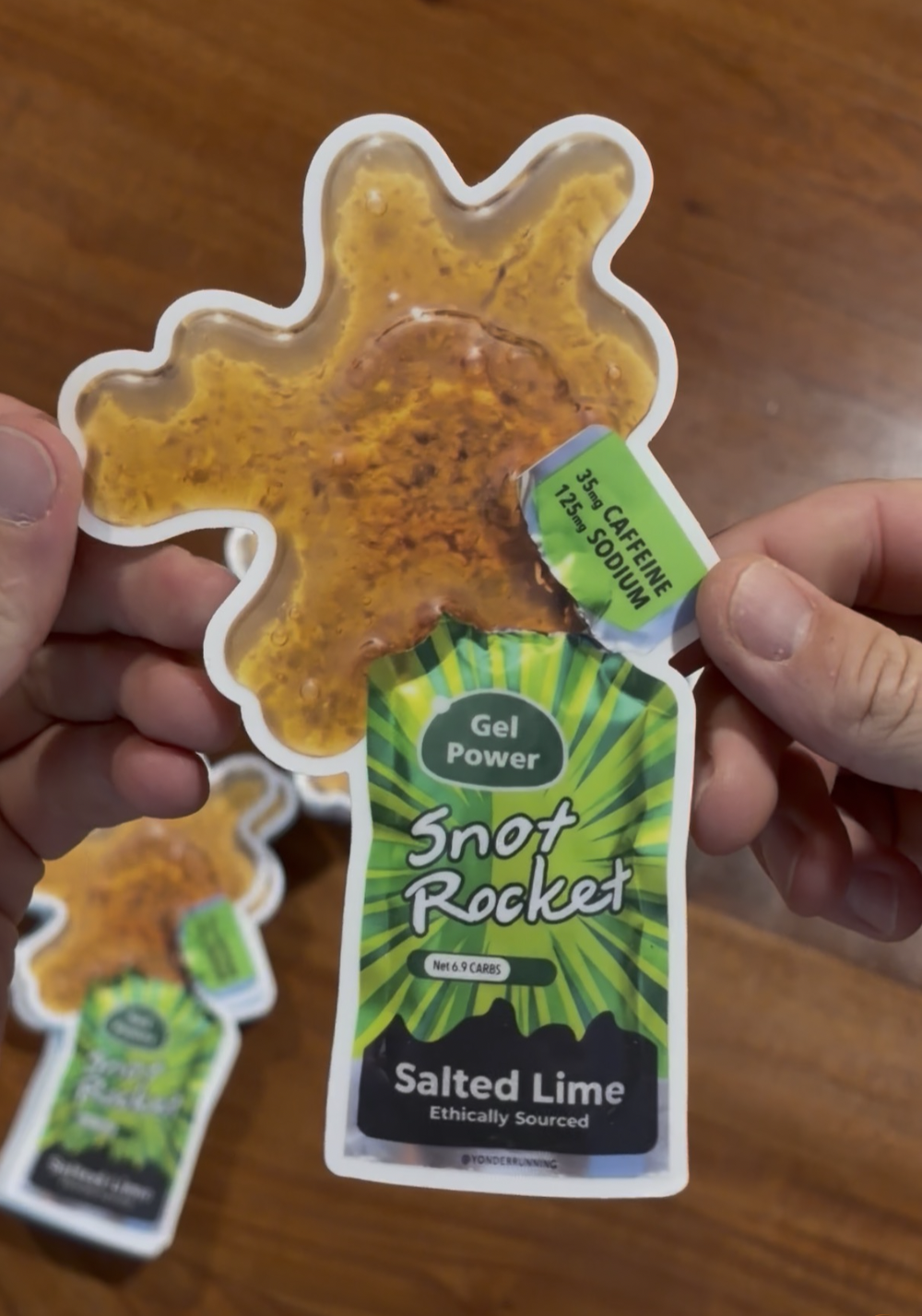
Naturally, we had to make some stickers.
A few distinct designs are making their way into the booth, including a hyper-realistic depiction of a running energy gel smooshed into the ground (a familiar sight on just about any race course) and a playful nod to Whataburger's iconic orange table-number signs, reimagined with YonderRunning lettering. They're the kind of things that don't necessarily need an explanation. You either get it or you don't. Either way, we hope people clamor to get their hands on a pack.
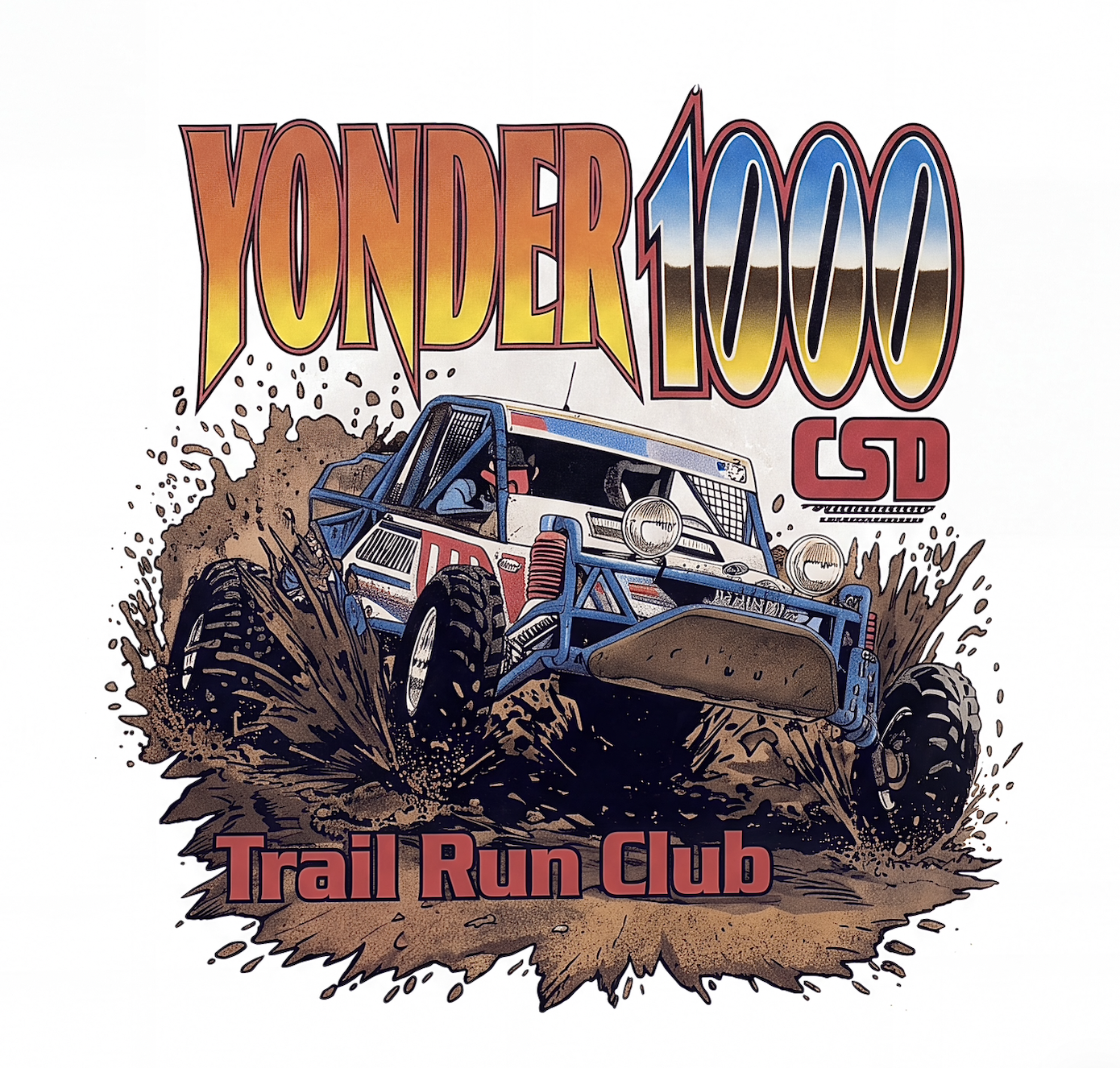
Product displays will be equally unconventional. Apparel will hang from S-biners clipped onto paracord, keeping things simple and functional while contributing to the makeshift base-camp aesthetic. We'll also be bringing along pieces of Yonder's history: early run club memorabilia, postcards written from the summits of all 54 Colorado 14ers, and photographs documenting the adventures and gatherings our community has put together along the way.
These aren't just decorations. They're little pieces of the story that got us here.
Making it happen.
There's something rewarding about building the things that support the things you're building. The rug, the booth, the graphics, the displays, the little details that might otherwise be outsourced or overlooked. None of it is necessarily the product, but all of it contributes to the experience. Yonder is still in its early days, and a lot of what happens behind the scenes is figuring things out as we go. Some projects take longer than expected. Some ideas don't survive contact with reality. Others turn out better than the original plan. But that's part of the fun.
Sometimes all you need is a rough idea and enough determination to see what happens.
-CB